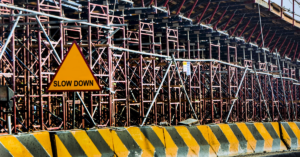
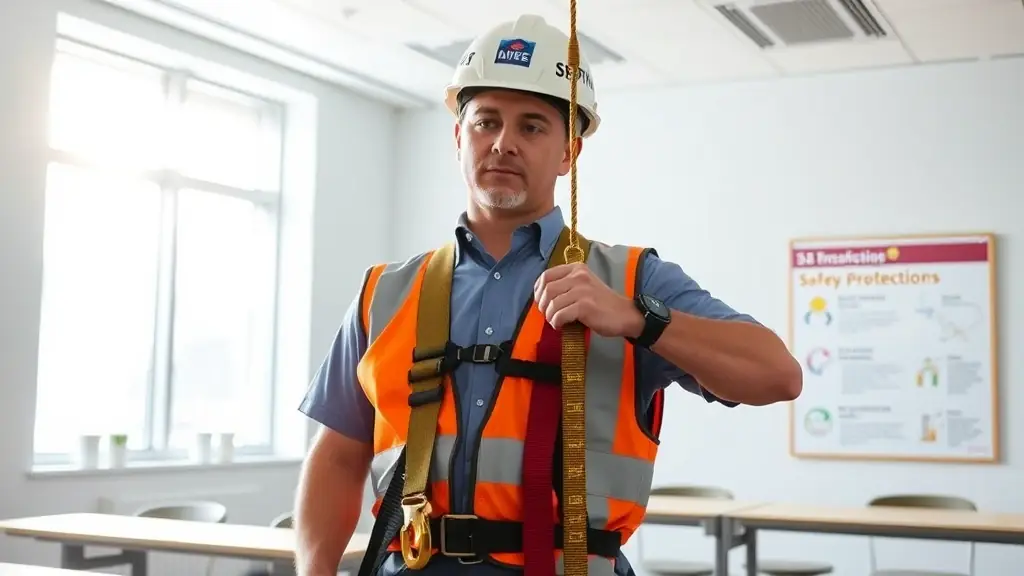
Falls are a significant concern in many workplaces, leading to injuries, lost productivity, and increased insurance costs. Understanding the causes and implementing preventative measures is crucial for a safe work environment. Proper training and equipment are essential components of a comprehensive fall prevention strategy. Employers must prioritize the safety of their employees to maintain a productive and injury-free workplace. Identifying potential fall hazards is the first step in preventing falls. Regular inspections of work areas, including walkways, stairwells, and elevated platforms, can help pinpoint potential dangers. Ensuring proper lighting and clear signage can also contribute to a safer environment. Implementing safety protocols and procedures, such as fall protection systems, is critical to minimizing the risk of falls. Providing comprehensive training to employees on fall prevention techniques is essential. This training should cover proper use of safety equipment, recognizing fall hazards, and emergency procedures. Regular safety meetings and discussions can reinforce the importance of fall prevention. Encouraging employees to report any potential hazards or concerns is crucial for maintaining a proactive safety culture.
In a Split Second Everything Changed
Ergonomics plays a vital role in preventing workplace injuries and promoting employee well-being.